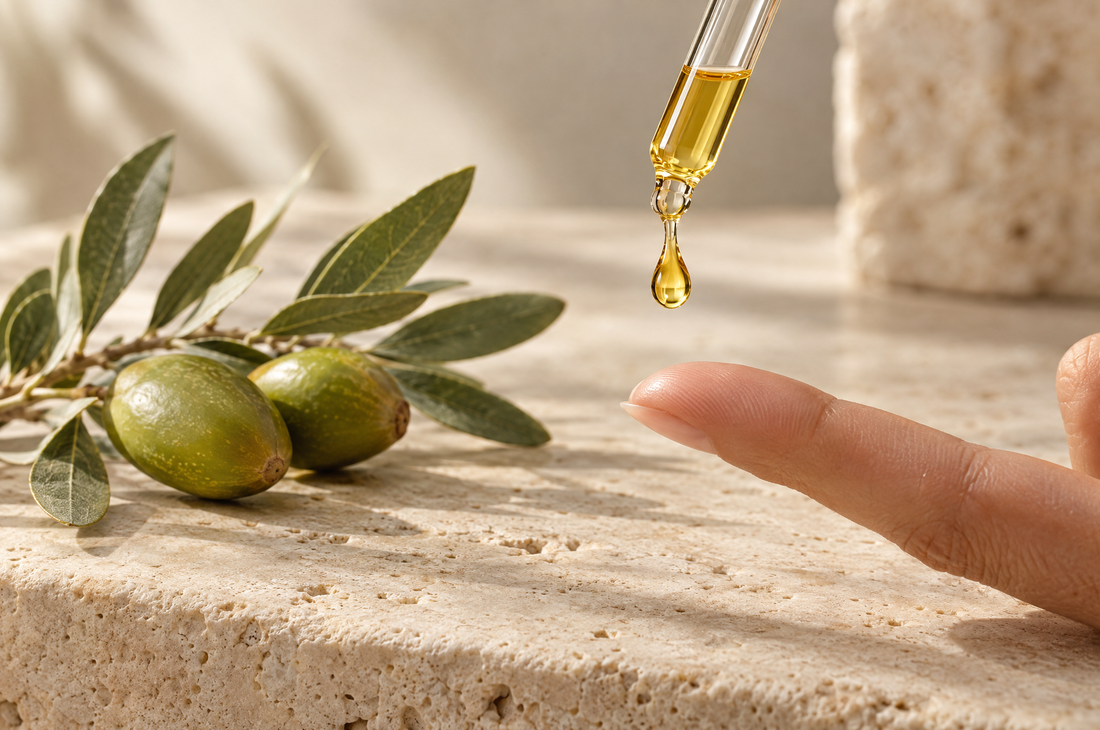
Argan Oil After Waxing or Shaving
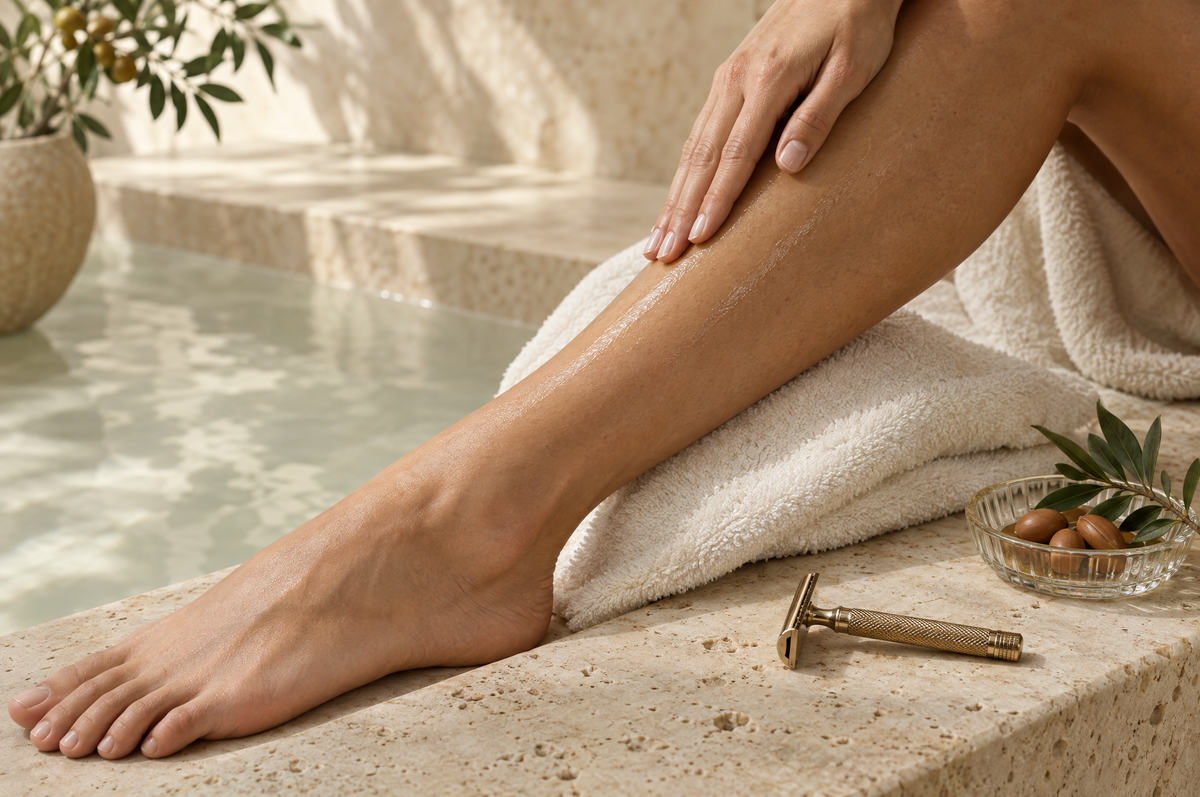
Freshly waxed or shaved skin is smooth, but it is also a little raw: hair has been pulled from the follicle or sliced off at the surface, and the top layer of skin has taken some friction along the way. It makes sense to want something soothing afterward. Argan oil can be a good part of that aftercare, but timing and technique matter more than the oil itself.
The short answer
Yes, you can use argan oil after waxing, but wait until the immediate redness and sensitivity settle, usually by the next day, and apply a thin layer with clean hands. After shaving, a few drops on rinsed, patted-dry skin can ease tightness. Argan oil isn't proven to prevent razor bumps or ingrown hairs; technique does more.
Can I use argan oil after waxing?
Waxing works by pulling hairs out from the root, and the American Academy of Dermatology notes that newly waxed skin can be red and irritated for a short while afterward.1 During that window, the follicles are open and the skin is more reactive, so the gentlest approach is to apply as little as possible.
That is why many waxing professionals suggest avoiding oils, fragrance, heavy creams, hot baths and tight clothing for roughly the first day. There is no clinical trial behind a precise number of hours, but the logic is sound: give the skin time to calm before adding anything it doesn't need.
A sensible waxing aftercare timeline
- Right after waxing: leave the skin alone, or follow your waxer's aftercare. A cool, clean compress can ease warmth and redness.
- The rest of the first day: wear loose, breathable clothing and skip hot tubs, saunas and heavy workouts. Avoid touching the area.
- Once redness has faded (often the next day): with freshly washed hands, warm two or three drops of argan oil and smooth a thin layer over the waxed area.
- Ongoing: a few drops after your daily shower keeps the skin soft as hair grows back.
If you see small red or white bumps around the follicles a few days later, that may be folliculitis, which the AAD notes can be triggered by shaving, plucking or waxing. Its self-care advice includes warm compresses and pausing hair removal for a while; a dermatologist can confirm the diagnosis and prescribe treatment if needed.2 Hold off on oil over those spots until they settle.
What about argan oil before waxing?
Skip it. Wax needs to grip the hair, and a layer of leave-on oil on the skin can stop it from doing so, which means more passes, more pulling and more irritation. Some professionals use a dedicated pre-wax product with certain hard waxes, but that is their call, made for their wax. On the day of your appointment, arrive with clean, dry, product-free skin, and save the argan oil for afterward. The same goes for heavy moisturizers and self-tanner in the day or so beforehand; your waxer can tell you what they prefer.
Who should not wax
The AAD advises against waxing if you are taking isotretinoin or have taken it in the past six months, are using an antibiotic, or are applying tretinoin to the skin, because these medications can thin the skin enough that it tears when the wax is removed.1 No aftercare oil can fix that, so check with your doctor first if any of these apply to you.
Argan oil after shaving
Shaving is gentler on the follicle than waxing but rougher on the skin surface. The AAD's advice is to shave after you have wet the skin and hair, ideally right after a shower, use a shaving cream or gel, shave in the direction the hair grows, and rinse the blade after each swipe.3
After shaving, rinse with cool water, pat dry, and smooth on two or three drops of argan oil. On the legs or underarms, this can take the edge off post-shave tightness and dryness. On the face, one or two drops pressed into the skin is enough. If you feel stinging, the skin may have small nicks or be irritated; wait a few minutes or skip the oil that day.
Can you shave with argan oil instead of shaving cream?
Some people use a few drops of oil as a pre-shave softener under their shaving cream, or as a light glide on its own. It can work, but the AAD specifically recommends a shaving cream or gel, and a moisturizing shaving cream for people prone to razor bumps.3,4 Oil alone gives less cushion between blade and skin, can clog a multi-blade razor, and makes the tub slippery. If you try it, use it under a cream rather than instead of one.
Argan oil for razor bumps and ingrown hairs: what helps
Razor bumps and ingrown hairs happen when a cut or growing hair curls back into the skin, which is more common with coarse or curly hair.5 There are no studies testing argan oil, or any other cosmetic oil, for preventing them. What has dermatologist backing is technique.
| What to do | Why it helps |
|---|---|
| Shave at the end of your shower or after a warm, damp washcloth | Softened hair is less likely to curve back into the skin4 |
| Shave in the direction of hair growth | Shaving against the grain causes irritation4 |
| Don't shave too close; leaving about 1 mm of stubble helps | Very short hairs are more likely to grow back into the skin5 |
| Use a sharp blade; replace disposables after 5–7 shaves | Dull blades tug and irritate3 |
| Use as few strokes as possible | Less friction on the skin5 |
| Gently exfoliate between shaves | Can help release trapped hairs5 |
| Never scratch, pick or squeeze ingrown hairs | Can damage skin, cause infection or worsen bumps5 |
Where argan oil fits is comfort: keeping the skin soft and less tight between shaves. Soft, comfortable skin is easier to shave gently, but that is a practical benefit, not a proven way to stop ingrowns. If you get razor bumps often, the AAD notes they can leave permanent marks or raised scars if left untreated, so see a dermatologist.4
An aftercare routine that works for most people
- Prep: shower first, so skin and hair are soft.
- Remove hair carefully: shave with cream in the direction of growth, or wax with a reputable professional who uses fresh wooden sticks for each dip.1
- Cool down: rinse with cool water or place a cool, damp cloth on the skin.4
- Wait if you waxed: let redness settle first, usually overnight.
- Apply a thin layer: with clean hands, warm two or three drops of argan oil and smooth it on. More is not better on freshly treated skin.
- Keep it up: use a few drops after showers in the following days, and gently exfoliate a couple of times a week once the skin has fully recovered.
For this kind of aftercare, a single-ingredient oil is the safest choice. Fragrance is a common irritant, and freshly treated skin is the last place you want it. Our 100% organic argan oil has no fragrance, dyes or additives, just cold-pressed argan kernel oil. If you are trying it for the first time, a short patch test is worth doing; our guide on whether argan oil can irritate skin explains how.
For beards and faces
If you shave your face, a drop of argan oil after shaving does double duty as a light moisturizer. If you're growing a beard instead, our guide to argan oil for beards covers softening the hair and caring for the skin underneath, and argan oil for men covers face, hair and beard in one routine.
Smooth skin comes from the razor or the wax. Calm skin comes from patience, clean hands and a light touch afterward.
For your general body routine on non-waxing days, see our guide to using argan oil after the shower.
Frequently asked questions
How long after waxing can I use argan oil?
Wait until the immediate redness and sensitivity have settled, which for most people is by the next day. Then apply a thin layer with clean hands.
Does argan oil prevent ingrown hairs?
There is no evidence that it does. Shaving technique, not shaving too close, gentle exfoliation and never picking at bumps are what dermatologists recommend.
Can I put argan oil on my bikini line after waxing?
Yes, once redness has calmed, a thin layer is usually fine on the outer skin. Keep it away from mucous membranes and stop if you notice stinging, bumps or a rash.
Is argan oil good for razor burn?
It can help skin feel less tight and dry after shaving, but it won't speed healing of broken skin. If razor burn stings, rinse with cool water and wait before applying anything.
Sources
- American Academy of Dermatology. 6 ways to remove unwanted hair. Link
- American Academy of Dermatology. Acne-like breakouts could be folliculitis. Link
- American Academy of Dermatology. Hair removal: how to shave. Link
- American Academy of Dermatology. 6 razor bump prevention tips from dermatologists. Link
- NHS. Ingrown hairs. Link