Is Argan Oil Good for Skin? An Honest Look at the Evidence
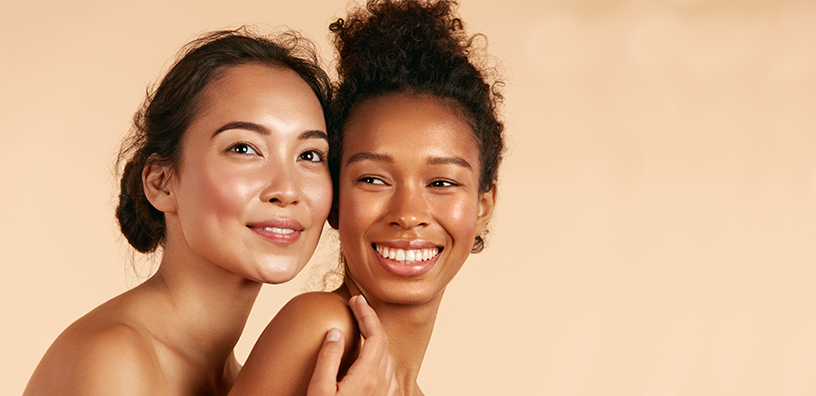
Argan oil turns up in everything from face oils to body lotions, and the claims around it can sound too good to be true: clears acne, erases wrinkles, heals sun damage, removes stretch marks. Some of that is overstated, and some is simply wrong. Here is what argan oil can genuinely do for your skin, skin type by skin type, and where the evidence runs out.
The short answer
Yes, for most people argan oil is a good skin oil. Small human studies show it helps skin hold on to water and can improve elasticity in mature skin, and it suits dry and normal skin especially well. It won't cure acne, replace sunscreen or remove stretch marks, and anyone can react to it, so patch test first.
What is argan oil, and what's in it?
Argan oil is pressed from the kernels of the argan tree, Argania spinosa, which grows almost entirely in Morocco. Cosmetic argan oil is made from unroasted kernels; the darker culinary oil comes from kernels roasted for a few minutes before pressing1. If you are curious about the tree and the region, we cover that in where argan oil comes from.
What matters for skin is the composition. Roughly 80% of argan oil's fatty acids are unsaturated, mainly oleic acid (about 43 to 49%) and linoleic acid (about 29 to 37%), with smaller amounts of palmitic and stearic acid1. It also contains vitamin E compounds called tocopherols, mostly gamma-tocopherol, at around 60 to 90 mg per 100 g, along with plant sterols1.
Two points are worth keeping in mind. Linoleic acid plays a direct role in keeping the skin's water barrier intact2. Vitamin E is an antioxidant, but the amount in a few drops of oil is small, and lab findings about antioxidants don't automatically translate into visible results on your face.
What does the research actually show?
Most of the human evidence for argan oil on skin comes from two small studies by the same Moroccan research group, both in postmenopausal women.
- Hydration. Sixty postmenopausal women applied argan oil to one forearm for 60 days. Compared with their starting measurements, water loss through the skin (transepidermal water loss, or TEWL) went down and the water content of the outer skin went up3.
- Elasticity. In the same design, topical argan oil was linked to significant improvements in several measures of skin elasticity after 60 days4.
Those are encouraging results, but they are limited: small groups, one population, the forearm rather than the face, and comparisons mostly against the participants' own baseline rather than against another oil or a standard moisturizer. A 2017 review of plant oils for the skin barrier lists argan oil among the oils with some supporting evidence, noting that daily topical use has been shown to improve elasticity and hydration2. Fair summary: argan oil is a well-tolerated moisturizing oil with modest, real-world benefits, not a treatment.
Is argan oil good for dry skin?
This is where argan oil is most useful. Dry skin loses water easily, and an oil helps by forming a light layer on the surface that slows that loss, which is consistent with the TEWL results above3.
Dermatologists' standard advice for dry skin is to keep showers short and warm and to moisturize immediately afterward while the skin is still damp5. Argan oil fits neatly into that routine: press a few drops into damp skin after washing, or add a couple of drops to your usual cream. For very dry or cracked areas, an oil alone may not be enough; the American Academy of Dermatology (AAD) recommends ointments and creams over lotions for dry skin, and lists plant oils such as jojoba among helpful ingredients5. More on routines in argan oil for dry skin.
If dryness is severe, itchy or doesn't improve, see a dermatologist. Persistent dry skin can be a sign of conditions such as eczema or psoriasis, which need proper care5.
Is argan oil good for oily skin?
Putting oil on oily skin sounds backward, and older articles (including our own) leaned on the idea that moisturizing will "rebalance" oil production. That isn't well established. What we can say is narrower.
The study most often quoted is a small four-week trial in 20 volunteers with oily skin, who used a cream containing argan oil plus saw palmetto and sesame seed extracts. Casual sebum levels fell by about 20% and the area covered by oily spots by 42%6. Because it tested a multi-ingredient cream without a control group, it can't tell you what argan oil alone does.
In practice, many people with oily or combination skin find one or two drops of argan oil comfortable, especially at night or in drier months. If your skin feels greasy or you notice more clogged pores, use less or stop. Our guide to argan oil for oily skin goes into this in more detail.
Does argan oil help with acne?
Argan oil is not an acne treatment, and no good-quality study shows that it clears breakouts. Claims that it is "non-comedogenic" or that it mimics human sebum are repeated widely but aren't backed by solid testing.
Where it can help is indirectly. Many effective acne treatments are drying, and a little oil or moisturizer can make them easier to tolerate. The AAD recommends that people with acne-prone skin use gentle products labeled non-comedogenic or "won't clog pores," avoid harsh astringents and scrubs, and see a board-certified dermatologist if breakouts continue7. If you want to try argan oil, introduce it on its own, use a small amount, and watch your skin for a few weeks. Read more in argan oil for acne-prone skin.
Can argan oil reduce wrinkles?
Argan oil won't reverse aging, and no oil can rebuild lost collagen. What it can do is keep skin well moisturized, and that matters: the AAD notes that moisturizer traps water in the skin, giving it a more youthful appearance8. The elasticity study above suggests a modest benefit for mature skin, though in a narrow group4.
For preventing premature skin aging, dermatologists' core advice is daily broad-spectrum sunscreen with SPF 30 or higher8. Think of argan oil as a pleasant moisturizing step that sits alongside sunscreen, not instead of it. See is argan oil good for wrinkles for more.
Argan oil, sun exposure and sunburn
Argan oil is not a sunscreen and should never be used as one. Its antioxidants have been studied in the lab, but that does not translate into meaningful UV protection on your skin. Use a broad-spectrum, water-resistant sunscreen every day8.
On sunburned skin, wait until the heat and redness have settled before applying any oil. Cool compresses and an aloe-based moisturizer are better first steps, and blistering or severe burns need medical attention.
Does argan oil help stretch marks or dark spots?
Many people massage oil into their skin during pregnancy or weight changes, and it can make stretching skin feel softer and less itchy. But a Cochrane review of six trials involving 800 women found no high-quality evidence that any topical preparation prevents stretch marks in pregnancy9. Argan oil was not singled out, and there is no reason to think it would perform differently. It will not remove existing stretch marks either.
The same caution applies to dark spots and discoloration. There is no good human evidence that argan oil fades them; daily sunscreen and treatments from a dermatologist are the reliable route.
Hands, feet, elbows and cuticles
Rough heels, dry knuckles and ragged cuticles are where an oil earns its keep. A few drops massaged in at night softens these areas, and wearing gloves for washing up helps too5. A single drop is enough to cover all ten cuticles.
How to use argan oil on your skin
- Patch test first. Apply a little to the inside of your elbow twice a day for 7 to 10 days. If you get no redness, itching or swelling, it is fine to use10.
- Cleanse, then apply your water-based products such as serums or treatments.
- Press 2 to 3 drops into your face as the last step of your evening routine. In the morning, use it before sunscreen or mix a drop into your moisturizer.
- For the body, use 5 to 6 drops on damp skin straight after a shower to help lock in moisture5.
- Adjust to your skin. Use less if your skin feels greasy, more on very dry patches.
A pure, single-ingredient oil makes it easier to know what you're putting on your skin. Our 100% organic argan oil is cold-pressed from unroasted kernels with nothing added: no fragrance, chemicals or dyes. If you're not sure where to put it in your routine, see argan oil before or after moisturizer.
Who should be careful with argan oil?
Argan oil is generally well tolerated, but allergic contact dermatitis from argan oil has been reported11. Stop using it if you notice itching, redness or a rash. If you have nut allergies, ask your doctor or allergist before using it. If you have a diagnosed skin condition such as eczema, rosacea or acne, check with your dermatologist about how it fits with your treatment.
| Skin concern | What the evidence supports | Realistic expectation |
|---|---|---|
| Dry skin | Small human studies show less water loss and better hydration | Softer, more comfortable skin |
| Mature skin | One small study shows improved elasticity measures | Better-moisturized skin; fine lines may look softer |
| Oily skin | Only a multi-ingredient cream study | Fine for some in small amounts; not a sebum treatment |
| Acne | No good evidence | Can offset dryness from treatments; won't clear breakouts |
| Stretch marks | No topical product proven to prevent them | Comfort while skin stretches |
| Sun protection | None | Not a sunscreen |
Frequently asked questions
Can I use argan oil on my face every day?
Yes, most people can use 2 to 3 drops once or twice a day. Patch test first and cut back if your skin feels greasy or you notice breakouts.
Does argan oil clog pores?
There is no reliable comedogenicity testing for pure argan oil, so it is hard to say. Many people tolerate it well, but if you are acne-prone, introduce it slowly and on its own.
Is argan oil better than moisturizer?
Not better, just different. An oil mainly slows water loss, while many moisturizers also add water and humectants. Many people get the best results using both, with the oil on top or mixed in.
Can argan oil remove dark spots or stretch marks?
There is no good evidence that it does. It can keep skin soft, but sunscreen and dermatologist-recommended treatments are what make a real difference to dark spots.
Sources
- Gharby S, Charrouf Z. Argan oil: chemical composition, extraction process, and quality control. Front Nutr. 2021;8:804587. Link
- Lin TK, Zhong L, Santiago JL. Anti-inflammatory and skin barrier repair effects of topical application of some plant oils. Int J Mol Sci. 2017;19(1):70. Link
- Boucetta KQ, Charrouf Z, Derouiche A, Rahali Y, Bensouda Y. Skin hydration in postmenopausal women: argan oil benefit with oral and/or topical use. Prz Menopauzalny. 2014;13(5):280–288. Link
- Boucetta KQ, Charrouf Z, Aguenaou H, Derouiche A, Bensouda Y. The effect of dietary and/or cosmetic argan oil on postmenopausal skin elasticity. Clin Interv Aging. 2015;10:339–349. Link
- American Academy of Dermatology. Dermatologists' top tips for relieving dry skin. Link
- Dobrev H. Clinical and instrumental study of the efficacy of a new sebum control cream. J Cosmet Dermatol. 2007;6(2):113–118. Link
- American Academy of Dermatology. Acne: tips for managing. Link
- American Academy of Dermatology. 11 ways to reduce premature skin aging. Link
- Brennan M, Young G, Devane D. Topical preparations for preventing stretch marks in pregnancy. Cochrane Database Syst Rev. 2012;11:CD000066. Link
- American Academy of Dermatology. How to test skin care products. Link
- Foti C, Romita P, Ranieri LD, Bonamonte D. Allergic contact dermatitis caused by argan oil. Contact Dermatitis. 2014;71(3):183–184. Link
This article is for general information and isn't medical advice. If you have a skin condition, are pregnant, or are caring for an infant, check with your doctor or dermatologist before trying something new.